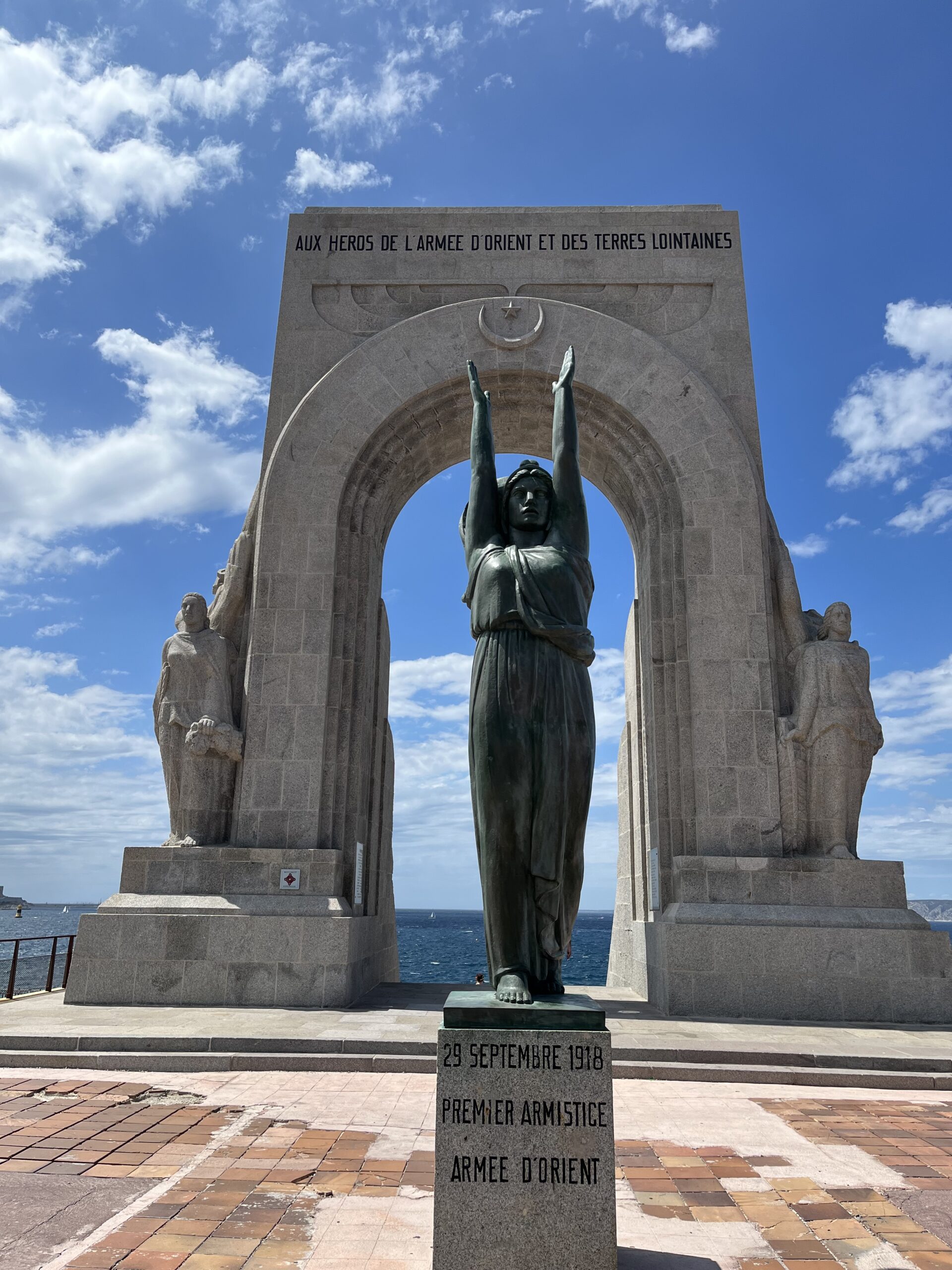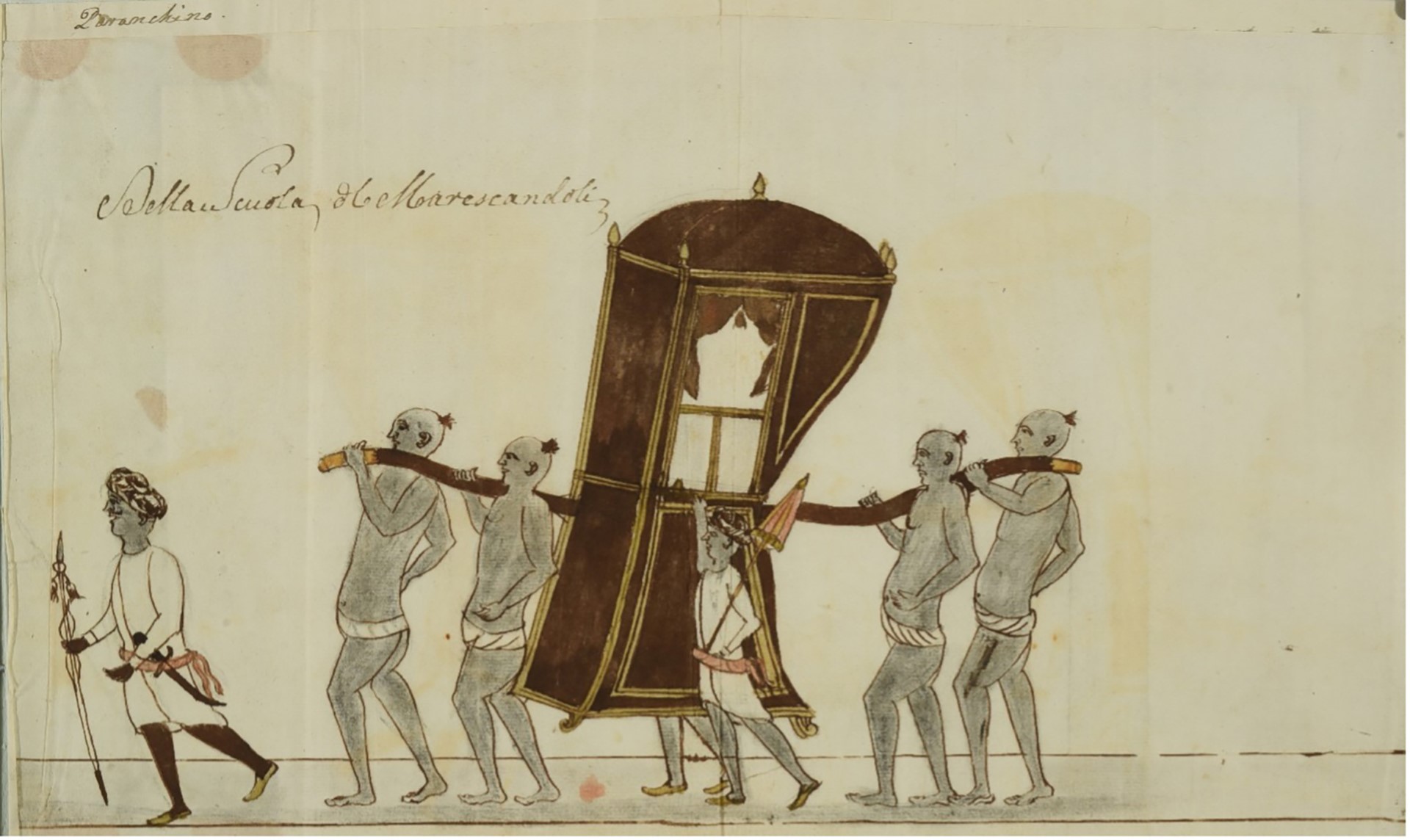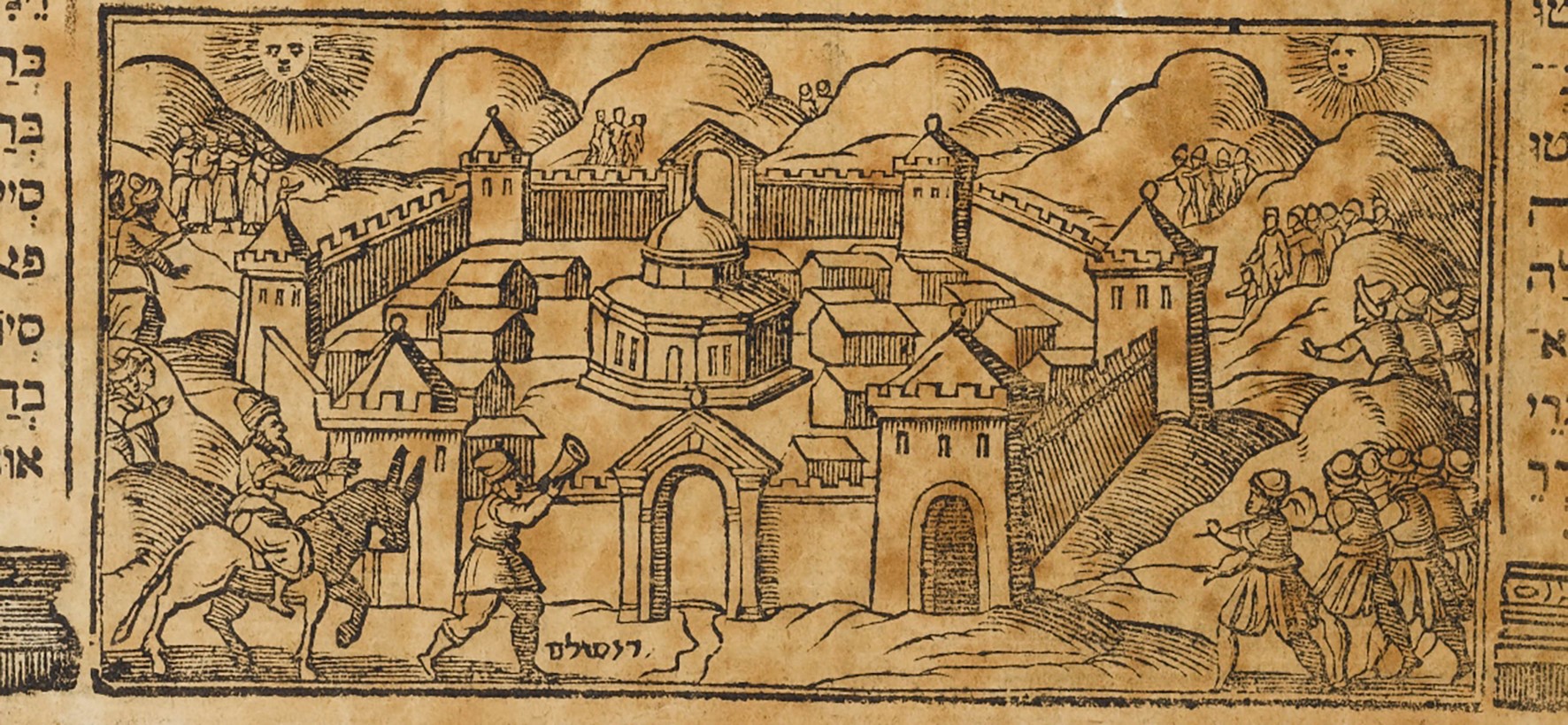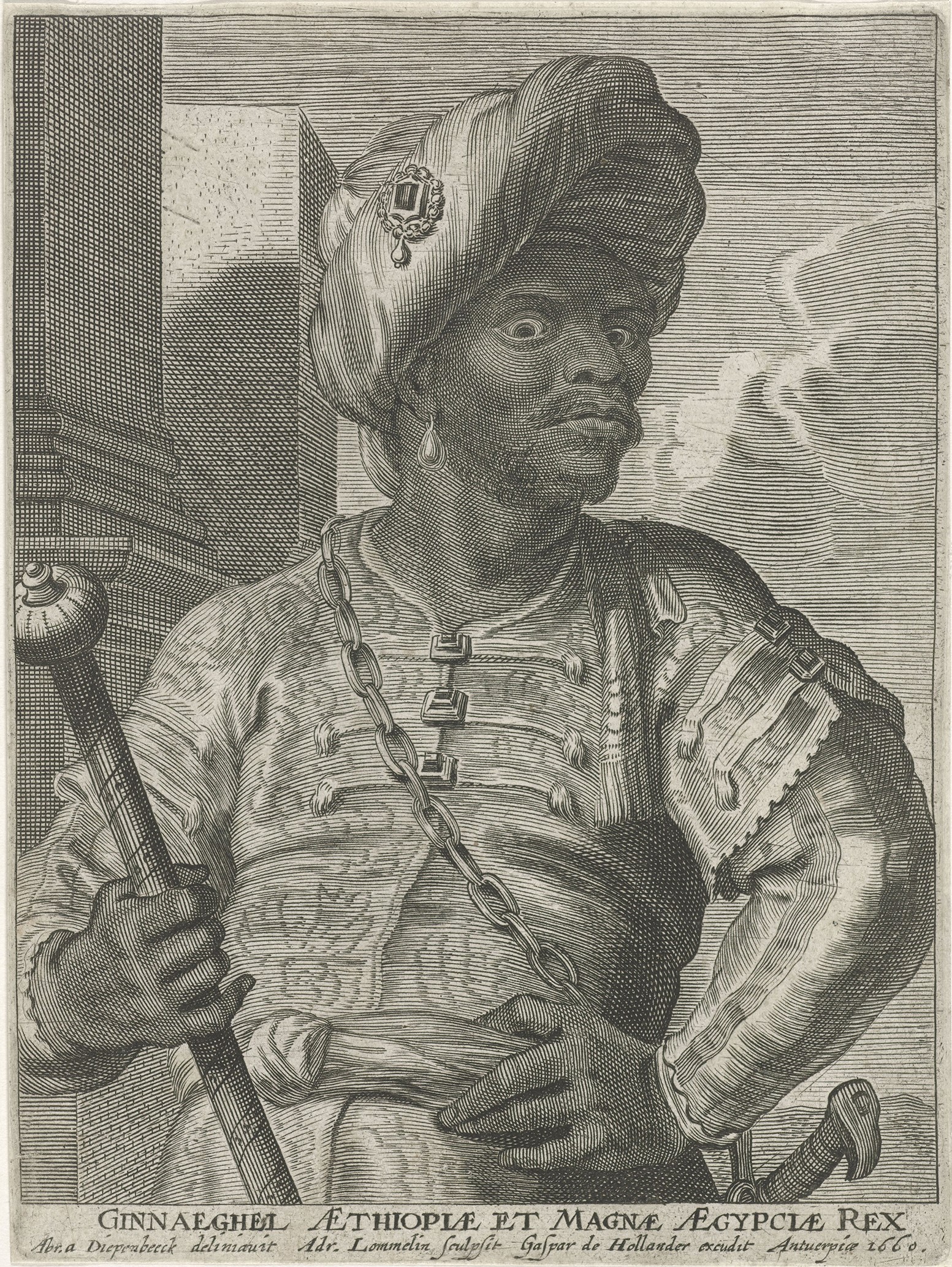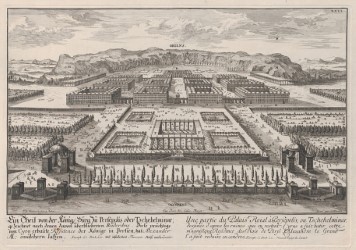

Objects serve as tangible traces of human activity, capturing aspects of daily life, social hierarchy, and cultural practices. Unlike narratives, objects often carry implicit information about technology, trade, and material culture. Studying construction methods, wear patterns, and stylistic details allows historians to interpret social contexts and interactions without relying solely on written accounts.
The same approach can be applied to understanding patterns on platforms with complex engagement systems. Analysts observe interactions, timing, and outcomes to extract meaningful trends. For example, user behavior on spaces like 1win casino can be studied through repeated actions and outcomes, providing insight into patterns and decision-making strategies that mirror historical analytical techniques.
Interpreting Written Records
Written sources complement material evidence by providing explicit statements about events, policies, and social structures. Administrative documents, personal letters, and literary texts reveal intentions, priorities, and perceptions of the time. The careful examination of language, style, and emphasis helps reconstruct societal norms and values.
Cross-referencing texts with objects prevents misinterpretation. Documents may contain biases or omissions, while material evidence offers a counterpoint. Together, they form a comprehensive picture that balances subjective perspectives with tangible realities.
Connecting Objects and Texts
The integration of objects and written sources is essential for robust historical reconstruction. Artifacts can confirm, challenge, or contextualize written claims. For instance, an inventory list describing trade goods can be corroborated by the discovery of matching objects, allowing verification of economic activity and market dynamics.
This dual approach highlights inconsistencies and patterns. Discrepancies between text and object reveal hidden practices or shifts in social behavior. Historians gain a more nuanced understanding of past realities by systematically combining these data streams.
Methodological Considerations
- Provenance verification: confirming the origin and context of artifacts to prevent misleading conclusions.
- Chronological alignment: ensuring that objects and documents correspond to the same historical period.
- Functional analysis: examining the intended use and symbolic meaning of artifacts.
- Textual criticism: analyzing authorship, purpose, and reliability of written records.
- Comparative evaluation: assessing multiple sources to detect recurring patterns or contradictions.
Revealing Social Structures
Objects and texts reveal underlying social hierarchies and community organization. Everyday items such as utensils, tools, or clothing illustrate access to resources, occupational roles, and domestic arrangements. Written records, including census data or legal codes, provide complementary insight into status, obligations, and privileges.
Examining the interplay between material and textual evidence illuminates power dynamics, labor distribution, and cultural values. This approach moves beyond surface descriptions to understand the mechanisms shaping societies.
Understanding Cultural Practices
Artifacts often preserve ritualistic, symbolic, or aesthetic practices. Religious objects, decorative motifs, or personal ornaments carry encoded information about beliefs, tastes, and identity. Written sources describe practices and their social meaning, allowing historians to decode these cultural signals.
By analyzing both the material and written traces, researchers can reconstruct ceremonies, celebrations, and everyday behaviors. This multidimensional view provides a vivid and authentic representation of past cultures.
Identifying Patterns of Movement
Trade routes, migration, and the circulation of ideas are recorded differently in objects and texts. Artifacts reveal material flows, while documents trace ownership, contracts, and transactions. Together, they map human networks across space and time.
Detecting these patterns helps reconstruct economic, social, and cultural connectivity. Understanding the movement of people and goods clarifies how innovations spread, how communities interacted, and how local practices were influenced by distant contacts.
Challenges in Reconstruction
Historical reconstruction faces inherent challenges. Objects can be incomplete or damaged, and texts can be fragmentary or biased. Temporal gaps and uneven preservation complicate analysis. Scholars must apply critical reasoning and methodological rigor to minimize error.
Interdisciplinary collaboration enhances accuracy. Archaeologists, historians, linguists, and material scientists combine expertise to interpret evidence. Methodical cross-validation between objects and texts reduces uncertainty and strengthens conclusions.
Conclusion
Reconstructing the past requires synthesizing material evidence with written sources. Artifacts provide tangible context, while texts provide narrative insight. Their integration uncovers patterns, validates assumptions, and reveals previously hidden social, cultural, and economic dimensions.
Through systematic analysis, historians can produce richer, more nuanced interpretations of human history. By respecting the complexity of both objects and documents, researchers achieve a clearer understanding of how people lived, interacted, and shaped their world.