
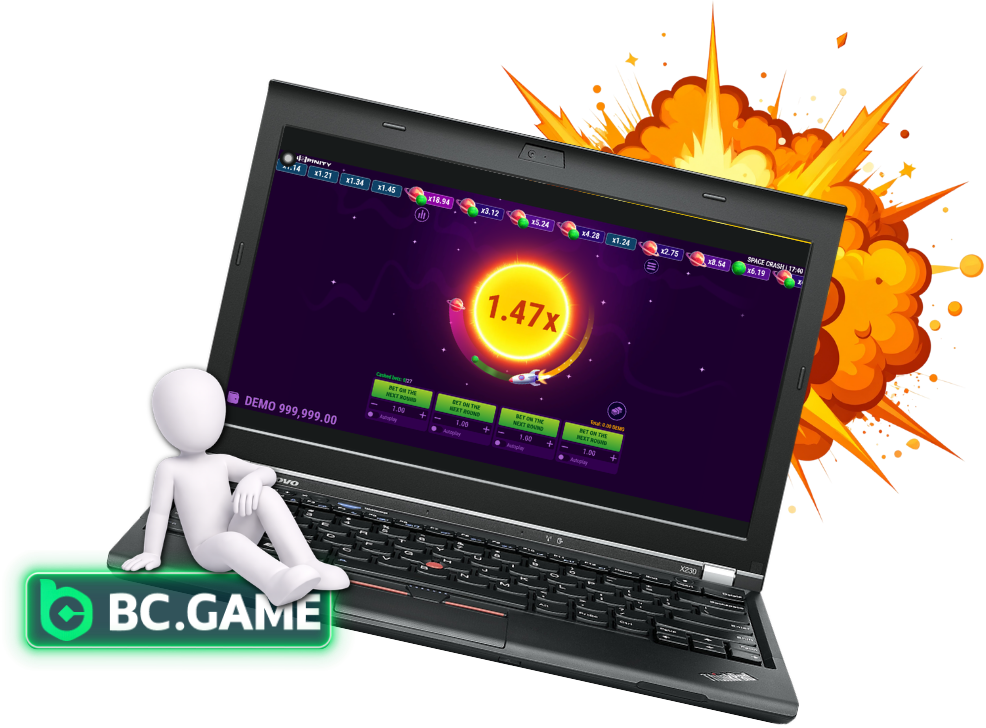
To understand the crash gambling game outcome cycle, focus on how the multiplier starts, how it accelerates, and what happens when it crashes, which is where the practical difference from fixed-odds betting shows up.
Regulation by eCOGRA and What It Means in Practice
Betting platforms that operate under a verified compliance framework typically show a regulator reference in their footer and in account settings. In practice, this matters because it sets expectations for KYC checks, dispute handling, and responsible gambling controls. For crash-style games, the key point is that the rules for bets, cashout timing, and account limits are expected to be consistent with the operator’s published terms.
Compliance signals you can verify in your account
Before placing any wager, check the site’s compliance and regulator references and then cross-check that your account status moves from “unverified” to “verified” after document review. If the platform is running under a known compliance body, the account workflow usually follows predictable steps: registration, identity verification, and then access to withdrawals. This is also where you can confirm whether responsible gambling limits apply to both deposits and losses.
Registration, KYC Documents, and Verification Timing
Account creation is usually a short sequence: sign up, fill in personal data, then submit identity documents if withdrawals are required. The practical question is not just “how fast,” but whether the platform allows first deposits before KYC is completed. For crash gameplay, that timing matters because cashout and bet settlement occur immediately, while withdrawals may pause until verification finishes.
Typical KYC steps and documents
Most operators request identity verification using a government-issued ID and one proof of address. A common pattern is: upload a passport or national ID, then add a recent utility bill or bank statement dated within a timeframe the operator specifies. Verification time depends on the document quality and whether the submitted details match the registration form; in practice, it can range from a same-day review to a longer manual check. If a withdrawal is attempted before verification is complete, the operator may require KYC first, which can delay processing.
Worked scenario: registration before first crash bet
Scenario 1: You register, deposit, and place a crash bet immediately after the first session loads. If you later request a withdrawal, the operator can pause the cash-out until identity checks complete, even though gameplay settlement already happened. Scenario 2: You submit KYC during registration and wait for approval, then deposit and play; withdrawals are then less likely to be blocked for document review. Scenario 3: You create the account on mobile, upload documents from the app, and finish verification before the first withdrawal request, which usually reduces the chance of downtime at the money-out stage.
Bonuses, Wagering Rules, and Crash Bet Limits
Crash game bonuses typically come with a fixed percentage, a wagering multiplier, and a time limit for converting bonus into withdrawable balance. The wagering requirement affects how many times the qualifying stake must be turned over before the bonus can be released. Notably, crash cashouts can count differently than full losses depending on the operator’s bonus terms, so the safest approach is to read the “qualifying games” list in the bonus terms before betting.
Pinning down the exact bonus math
The bonus terms often specify an exact percentage and an “xN” wagering requirement, plus a minimum qualifying deposit. They also define a maximum bet size allowed while the wagering is active, and a deadline after which the bonus expires. Games that count toward wagering are listed explicitly, so “crash” may count, but other game categories can be excluded. This is also where operators define whether bonus funds can be wagered on live tables or only in specific game categories.
| Bonus type | Amount/percentage | Wagering | Time limit |
|---|---|---|---|
| Welcome bonus | Not stated | Not stated | Not stated |
| Deposit match | Not stated | Not stated | Not stated |
| Free bet style | Not stated | Not stated | Not stated |
The specific bonus amount, percentage, wagering multiplier, and time limit depend on the operator’s current offer page, and those fields must be confirmed in the bonus terms shown after you log in. If the offer changes, the wagering impact on crash gameplay changes as well, especially the maximum bet cap during the wagering period. This is one reason players sometimes see a “bonus released” status only after meeting both the wagering and game-eligibility rules. Check here is where the current terms are usually displayed before betting starts.
Bonus scenarios tied to crash pacing
Scenario 1: A bonus wagering rule includes a maximum bet size during wagering; if a crash bet exceeds that cap, the excess can fail to count toward the requirement. Scenario 2: If only certain game categories are eligible, then playing crash in a non-qualifying lobby can slow progress even when bets are placed correctly. Scenario 3: If the wagering period ends in a set timeframe, then late-night crash sessions may not convert the bonus in time even if cashouts look active. In practice, tracking “qualified turnover” in the bonus dashboard prevents surprise when a cashout happens but the wagering meter does not move.
- Wagering requirement shown as xN in the bonus terms
- Maximum qualifying bet during wagering specified in the offer
- Minimum qualifying deposit stated in the welcome offer
- Time limit for wagering defined in the bonus expiry date
- Qualifying games list provided in the bonus terms
Games, Providers, and Crash Gameplay Layout
Crash games are delivered by game providers, and the provider branding usually appears in the game lobby or inside the game information panel. The operator’s catalogue may include multiple crash titles plus other categories, but the important part for gameplay is how the multiplier display and crash event timing are presented. Live tables can be separate from crash titles, and the bonus terms may treat “live” differently from “instant” games. As a rule, crash titles focus on a single mechanic—placing before the multiplier runs—while other categories add additional wagering paths.
Provider-backed game structure
Look for the provider name inside the crash game menu; this is where you can confirm which crash titles are available and whether the lobby is “live” or “instant.” Some operators list multiple titles under the same provider, and the number of crash titles can vary by region and offer. Live tables, if present, are typically grouped under a “Live Casino” category, while crash games often sit under an “Instant/Arcade” style section. For your crash session, the category label matters because it can affect whether bets count toward wagering.
Gameplay steps during a single crash round
First, select the crash game entry and confirm the bet button is active. Next, choose a stake and place it before the multiplier starts; cashout is available only while the multiplier is running. Then, watch the multiplier climb, and cash out at a chosen multiplier value if the interface supports manual cashout. Finally, if the game crashes before cashout, the stake settles to the loss side, and the round ends without any additional action.
Mobile differences: Android APK, iOS app, and mobile browser
On mobile, the cashout control is often tighter and placed differently to fit touch screens, but the crash timing logic stays the same. Android APK and iOS app builds may also differ in how quickly the game loads assets, particularly on slower connections. The mobile browser version can have different permission prompts and sometimes loads with a simplified interface, yet the bet placement and cashout actions remain the same. If the bonus dashboard is web-based, it can also behave differently across app and browser, which affects how quickly you can verify wagering progress.
Payments, Limits, Sports Betting Features, and Support
Payment availability typically includes named methods such as card payments and bank transfers, and each method comes with minimum and maximum deposit amounts. Withdrawals usually have a processing timeframe and may require verification before the first withdrawal to comply with KYC rules. Fees, if any, are tied to the payment method and can be listed in the payments section or withdrawal screen. For crash gameplay, the practical takeaway is that settlement can be instant, but withdrawals depend on whether verification and limit checks are complete.
Deposit, withdrawal, and verification timing
Before depositing, confirm the deposit minimum and maximum for the chosen method and check whether the operator enforces a withdrawal cap per request. Then check whether verification is required before the first withdrawal; some platforms allow deposits first but block withdrawals until KYC completes. Processing time varies by method, and it is often shown as a range in the withdrawal policy. If fees apply, they are normally deducted from the withdrawal amount or charged separately at the payment-provider layer.
- Deposit limits shown per payment method in the cashier
- Withdrawal processing timeframe displayed in the withdrawal policy
- KYC verification required before first withdrawal (if stated)
- Card deposits typically have per-transaction caps in policy
- Bank transfer withdrawals follow method-specific limits
Sportsbook mechanics: leagues, odds format, and cash out
Where a sportsbook exists alongside crash games, sports markets are organized by leagues, and odds are presented in a specific format (commonly decimal odds). Live betting availability is typically shown per sport, and cash out for sports wagers is an additional feature that appears on eligible markets. Margin is the operator’s built-in pricing advantage and is reflected in how odds are set across the market. Accumulator bonus offers, if available, are usually tied to qualifying selections and can have separate wagering or terms from casino-style promotions.
Support access and responsible gambling controls
Support channels commonly include live chat and email, and the hours are listed in the help centre so you can match expectations to your timezone. Languages supported by the help desk are also typically shown on the support page, which matters if document reviews or disputes require clear communication. Responsible gambling controls are usually available as deposit limits, loss limits, and self-exclusion options, and the age restriction is enforced at account creation and login.
Age restriction and responsible play apply: account access is limited to users who meet the platform’s minimum age requirement, and limits should be set before playing crash rounds.